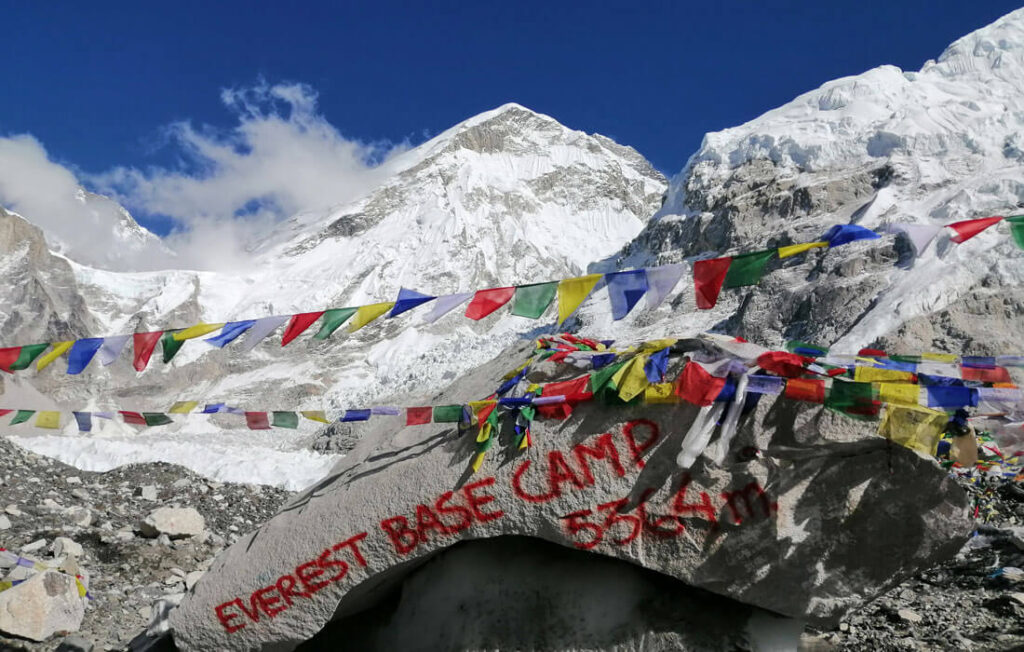
🏔️ Why Everest Base Camp Trek is a Dream Adventure

Few journeys in the world compare to trekking to Everest Base Camp. High Himalayan peaks, breathtaking views, Sherpa culture, teahouses nestled on mountaintops, and an exhilarating sense of achievement, that’s what draws thousands each year- Everest Base Camp Trek
But “epic” doesn’t mean “easy.” The trek involves altitude, basic lodging, physical exertion, and careful planning. Here’s how to turn the dream into reality — step by step — and how much you should plan to spend if you’re traveling from somewhere like the UAE.
📋 Step-by-Step Process: How to Plan & Do the EBC Trek
1. Pre-planning & Booking
- Choose season wisely — Most trekkers go in spring (April–May) or autumn (Oct–Nov), when weather is stable and the views are clear. But these are also peak times, so flights and lodges book fast.
- Book with a licensed Nepali trekking agency — For foreigners, it is mandatory to trek with a licensed guide on the EBC route (as per recent regulation changes).
- Get required permits & paperwork — Before trekking, you must obtain entry permits for the region (e.g. national park permit, local municipality permit) and, where required, a TIMS card.
- Arrange travel to Nepal — International flight to Kathmandu (from UAE). Then domestic logistics: flight or transport to the trailhead (usually via flight to Lukla).
2. On-the-ground: Starting the Trek
- Kathmandu → Lukla flight — This 30–45 minute domestic flight is the standard gateway to Everest region.
- Trek days 1–2: Lukla → Phakding → Namche Bazaar — Initial trek through forested valleys, rivers and gradually rising altitude.
- Acclimatization at Namche — Crucial for adjusting to altitude; most itineraries include a rest day or gentle hike.
- Further ascent via Tengboche, Dingboche, Lobuche, Gorak Shep — The terrain becomes rugged, altitude higher, and weather colder.
- Arrival at Everest Base Camp + optional hike to Kala Patthar — On clear days, you get stunning panoramic views of Everest and surrounding peaks.
- Descent back via similar route, return to Lukla, flight back to Kathmandu → home
Typical duration: ~12–16 days (including flights, acclimatization, return) depending on itinerary, weather, and pace.

💰 Cost Breakdown — What It Will Cost in AED (Dirham)
⚠️ These are approximate estimates. Actual costs vary depending on season, comfort level, booking agent, exchange rate, and personal choices. Use as a planning reference.
| Expense Category / Type | Typical USD Cost (per person) | Approx. AED (x3.67) |
|---|---|---|
| Standard guided EBC trek package (flights, permits, accommodations, meals, guide/porter) | ~ US$ 1,250 – US$ 1,450 | ≈ 4,590 – 5,320 AED |
| Full realistic budget including everything (insurance, personal expenses, tips, small extras) | US$ 1,800 – US$ 2,200 | ≈ 6,600 – 8,070 AED |
| If you choose a more comfortable “mid-to-luxury” trek (better lodges, extra services, more comfort) | Up to US$ 2,500–3,000+ (varies widely) | ≈ 9,200 – 11,000+ AED |
| Optional or extra costs (not always included): travel insurance, gear rental/purchase, tips, hot showers, WiFi, snacks, extra nights, etc. | $200–$400 personal/spending + $120–$180 insurance + gear if needed (variable) | ≈ 1,200 – 2,000 AED (or more depending) |
| International flight (UAE → Kathmandu) | Varies widely (not included above) — depends on airline, season, advance booking | You need to add this separately |
Estimated grand total (from UAE to EBC and back):
- Budget/Standard trek: ~ AED 6,500 – 8,500 per person (excluding international flight)
- Mid-range / Comfortable trek: ~ AED 9,000 – 11,500+ per person (plus flight)

✅ What’s Included vs What’s Extra
Here’s generally what’s covered if you book a “standard guided trek” package via a reputable Nepal agency:
Included
- Domestic flights (Kathmandu ↔ Lukla) or transport as per your itinerary.
- Licensed guide and porter (to carry extra load) for the trek.
- All required permits (national park permit, local municipality permit, etc.) for the trekking region.
- Accommodation (teahouses / lodges) along the trekking route.
- Meals (breakfast, lunch, dinner) during the trek.
- Basic first-aid support, logistics, and sometimes down jackets / sleeping bags (depending on the package).
Usually NOT included / Extra Costs
- International flights (UAE → Kathmandu → UAE)
- Travel insurance (but strongly recommended — high-altitude trekking has risks such as altitude sickness, flight delays, weather-related issues).
- Personal gear (if you don’t have proper trekking clothes, boots, sleeping bag, down jacket, etc.)
- Tips for guides and porters — customary and generous tipping is expected.
- Personal expenses: snacks, drinks, soft drinks, WiFi, hot showers, backup cash.
- Any extra nights in Kathmandu or in trek-start/ending lodges.
🧳 What You Should Do to Prepare (Beyond Money)
- Get proper fitness — Trekking to EBC involves long days, steep ascents, high altitude. Start cardio, endurance and altitude-adaptation training weeks/months before.
- Pack wisely — Warm clothes, down jacket, proper trekking boots, sleeping bag (if not provided), rain gear, sunscreen, first-aid.
- Travel Insurance — Must cover high-altitude trekking and emergency evacuation. The remote terrain and unpredictable Himalayan weather make insurance essential.
- Book permits and flights early — Especially if traveling peak season (April–May, Oct–Nov), flights to Lukla and permits can sell out quickly.
- Bring enough cash — On the trail there’s limited to no ATM access; you’ll rely on cash for meals, showers, extras.
- Be ready for basic comfort — Teahouses are simple, sometimes cold, with basic facilities. Don’t expect luxury.
✨ Tips to Save Money Without Compromising Safety or Experience
- Travel off-peak (shoulder seasons) — Lodging and flights can cost less, and trails are less crowded.
- Join group treks — Sharing guide/porter and resources reduces per-person cost.
- Bring or borrow gear — Renting gear in Kathmandu is cheaper than buying new.
- Avoid unnecessary extras — Skip frequent hot showers, limit expensive snacks and drinks; carry purified water rather than bottled water.
- Book early & compare agencies — Early booking often gets better rates; local Nepali agencies tend to be cheaper than international operators.
📝 Final Thoughts
Trekking to Everest Base Camp is a once-in-a-lifetime adventure, physically demanding, mentally challenging, and deeply rewarding. From the snow-capped peaks and mountain vistas to the hospitality of teahouse lodges and rich Sherpa culture — it’s an experience that stays with you forever.
From a budget & planning perspective, a well-organized trek (flights + permits + guide + accommodation + meals) from abroad (e.g. UAE) will likely cost you around AED 7,000–9,000 per person (excluding international flight), if you go for a standard guided package. If you want more comfort, private services or luxury lodges, expect higher costs. Always factor in optional needs: insurance, gear, tips, personal spend- Nepal